


11 Coffee Brewing Mistakes That Ruin Flavour: And How to Fix Them

Updated: Jul 28

A great cup of coffee starts long before the first sip. While many people focus on buying premium coffee beans or trying different brewing methods, the real difference often comes down to how the coffee is brewed. Even the highest-quality coffee can taste bitter, sour, weak, or flat if small brewing mistakes are made along the way. Understanding these mistakes can help you enjoy a more balanced, aromatic, and satisfying cup without investing in expensive equipment.
Coffee brewing is a process of extracting hundreds of flavour compounds from roasted coffee using hot water. When extraction is balanced, coffee tastes naturally sweet, smooth, and full of aroma. If the extraction is uneven, however, certain compounds are either left behind or extracted in excess, leading to unpleasant flavours. This is why two people using the same coffee can end up with completely different results. By learning 11 coffee brewing mistakes that ruin flavour, you can improve every cup you make at home.
Using the Wrong Grind Size
One of the most overlooked factors in coffee brewing is grind size. Every brewing method requires coffee particles of a specific size to allow water to extract flavour at the right speed. If the grind is too fine, water moves slowly through the coffee and extracts too many bitter compounds. The result is a harsh, dry, and overly bitter cup. On the other hand, if the coffee is ground too coarsely, water passes through too quickly and fails to extract enough flavour. This usually produces coffee that tastes sour, watery, and lacking in sweetness.
For example, a French press works best with coarse coffee grounds, while espresso requires a much finer grind. Pour-over methods generally perform well with a medium grind, and cold brew needs extra-coarse grounds because of its long brewing time. Matching the grind size to your brewing method is one of the simplest ways to improve flavour consistency.

Brewing with Water That Is Too Hot
Many people pour boiling water directly onto coffee, believing hotter water will produce a stronger brew. In reality, excessively hot water often extracts unwanted bitter compounds that overpower the coffee's natural sweetness and aroma. Instead of highlighting the chocolate, nutty, fruity, or floral notes present in the beans, boiling water can create a burnt or astringent taste.
The ideal brewing temperature is generally between 90°C and 96°C. If you have just boiled water, allowing it to rest for around 30 to 45 seconds before brewing usually brings it into the ideal temperature range. This small adjustment often produces a noticeably smoother and more balanced cup.
Ignoring the Coffee-to-Water Ratio
Another common mistake is estimating the amount of coffee and water without measuring either. Some days the coffee may taste too strong, while on others it may seem weak or diluted. This inconsistency usually comes from using different amounts each time.
A commonly recommended starting point is a ratio of 1 gram of coffee for every 15 to 17 grams of water. This ratio works well for most manual brewing methods and provides a balanced flavour profile. Once you establish a consistent ratio, you can make small adjustments based on your personal preference without completely changing the character of the coffee.

Brewing for Too Long or Too Short
Brewing time has a significant influence on flavour because it determines how much of the coffee is extracted into the water. When coffee brews for too long, it becomes over-extracted. This often results in bitterness, dryness, and an unpleasant aftertaste. Conversely, when brewing time is too short, the coffee becomes under-extracted and may taste sour, thin, or unfinished.
Every brewing method has an ideal extraction time. A French press generally brews for about four minutes, while a pour-over usually finishes in three to four minutes. Espresso, by comparison, extracts in roughly 25 to 30 seconds. Following the recommended brewing time for your chosen method helps maintain balance between sweetness, acidity, and body.
Using Poor-Quality Water
Coffee is made up of more than 98 percent water, yet many people overlook its importance. Even freshly roasted coffee cannot produce excellent flavour if the water itself contains unpleasant tastes or odours. Highly chlorinated water may introduce chemical notes, while extremely hard water can mute delicate flavours and reduce clarity.
Using clean, filtered drinking water often improves coffee immediately. Water with a balanced mineral content helps dissolve coffee compounds more effectively, allowing the beverage to express its natural sweetness and aroma. Distilled water, however, is generally not recommended because it lacks the minerals needed for proper extraction.
Brewing with Stale Coffee
Freshness plays an important role in flavour. After coffee is roasted, it gradually begins to lose the volatile aromatic compounds responsible for its complex taste and aroma. Once coffee is ground, this process speeds up because more surface area is exposed to oxygen.
Stale coffee typically tastes flat, dull, and lifeless regardless of the brewing method used. Whenever possible, purchase coffee in quantities that can be consumed within a few weeks and grind whole beans just before brewing. This simple habit preserves aroma and delivers a richer, more vibrant cup.
Storing Coffee Incorrectly
Even freshly roasted coffee can lose quality if it is stored improperly. Exposure to air, moisture, heat, and sunlight accelerates oxidation and causes coffee to lose its distinctive flavours. Many people store coffee beside the stove or place opened bags in the refrigerator, but both environments can negatively affect freshness.
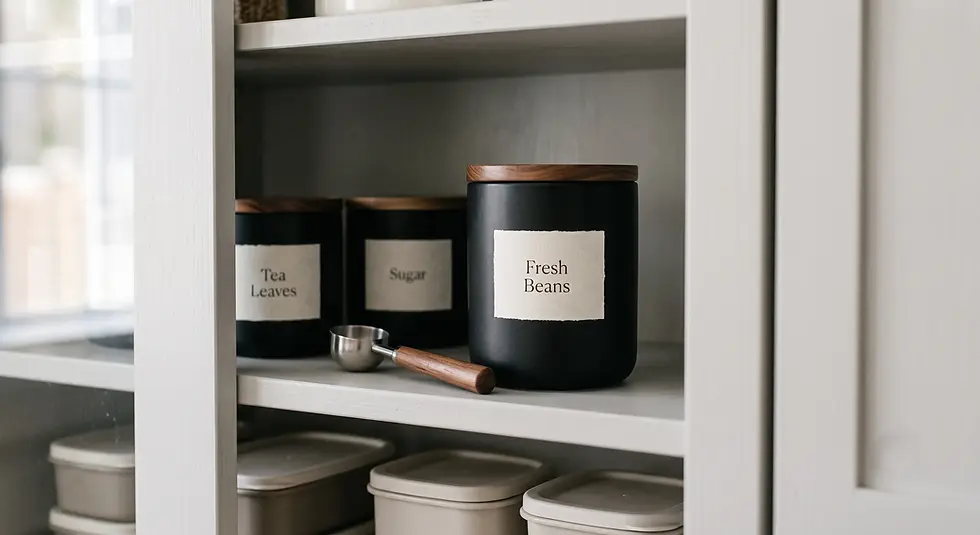
Coffee should be stored in an airtight container in a cool, dry cupboard away from direct sunlight. Proper storage helps retain aroma and protects the coffee from moisture and unwanted odours. While coffee does not remain fresh forever, storing it correctly can significantly extend its flavour.
Forgetting to Clean Brewing Equipment
Coffee oils naturally build up inside brewing equipment over time. If these oils are not removed regularly, they become rancid and leave unpleasant flavours in future brews. A dirty coffee maker, French press, grinder, or reusable filter can introduce bitterness even when using fresh coffee.
Cleaning your brewing equipment after regular use helps maintain flavour clarity and ensures that each cup reflects the coffee itself rather than residue from previous brews. A simple rinse may not always be enough, so periodic deep cleaning with suitable coffee equipment cleaners is recommended.
Grinding Coffee Too Early
Many households purchase pre-ground coffee for convenience, but ground coffee loses freshness much faster than whole beans. Once coffee is ground, oxygen begins breaking down aromatic compounds almost immediately. Although pre-ground coffee is practical, it rarely delivers the same level of aroma as freshly ground beans.
If possible, invest in a quality grinder and prepare only the amount of coffee needed for each brew. Grinding immediately before brewing preserves delicate flavours and creates a noticeably fresher cup.
Changing Too Many Variables at Once
When coffee does not taste right, many people change everything at once. They adjust the grind size, switch beans, use more coffee, alter the brewing time, and change the water temperature all in a single attempt. Unfortunately, this makes it impossible to identify which adjustment actually improved or worsened the flavour.
A more effective approach is to change only one variable at a time. For example, if your coffee tastes sour, try making the grind slightly finer while keeping everything else the same. If it becomes bitter, you have likely gone too far. This methodical approach helps you understand how each variable influences extraction and leads to more consistent results.
Learning to Recognize Coffee Flavours
One of the most useful skills for improving coffee is learning to identify what different flavours are telling you. Bitter coffee often indicates over-extraction, while sour coffee usually points to under-extraction. A watery cup may suggest an incorrect coffee-to-water ratio, whereas flat coffee often signals stale beans or poor storage. Rather than assuming the coffee itself is poor, think of these flavours as clues that help you adjust your brewing process.
Over time, recognizing these flavour signals becomes second nature. Small adjustments to grind size, water temperature, or brewing time can transform an average cup into one that is balanced, sweet, and full of character.
Final Thoughts
Making better coffee is not about owning the most expensive machine or buying the rarest coffee beans. In most cases, improving flavour comes from understanding the basics of extraction and avoiding common brewing mistakes. Paying attention to grind size, water temperature, brewing time, coffee-to-water ratio, freshness, water quality, and equipment cleanliness can dramatically improve your results without adding complexity to your routine.
The next time your coffee tastes bitter, sour, or disappointing, resist the urge to blame the beans. Instead, look closely at your brewing method. A few small changes are often all it takes to unlock the rich aroma, natural sweetness, and balanced flavour that great coffee has to offer. By consistently applying these simple principles, you'll not only brew better coffee but also gain a deeper appreciation for every cup you make.


